Skip to content

About gogmagog

Named for a giant under the chalk.

A few miles south-east of Cambridge the land rises into a low run of chalk hills. They have been called the Gog Magog Hills for centuries, and the story goes that they are the body of a giant, laid down long ago and grassed over. Up there, inside the Iron Age ramparts of Wandlebury, Gervase of Tilbury wrote around 1211 that any knight who rode in by moonlight and called out a challenge would be met by a phantom warrior.

The name is older still. In Geoffrey of Monmouth's history of Britain, Gogmagog is the last of the giants of Albion, thrown from a cliff into the sea. We took his name because it sits where everything we care about meets: the land, the legend, and the long habit people in these islands have of finding monsters in the landscape and refusing to forget them.
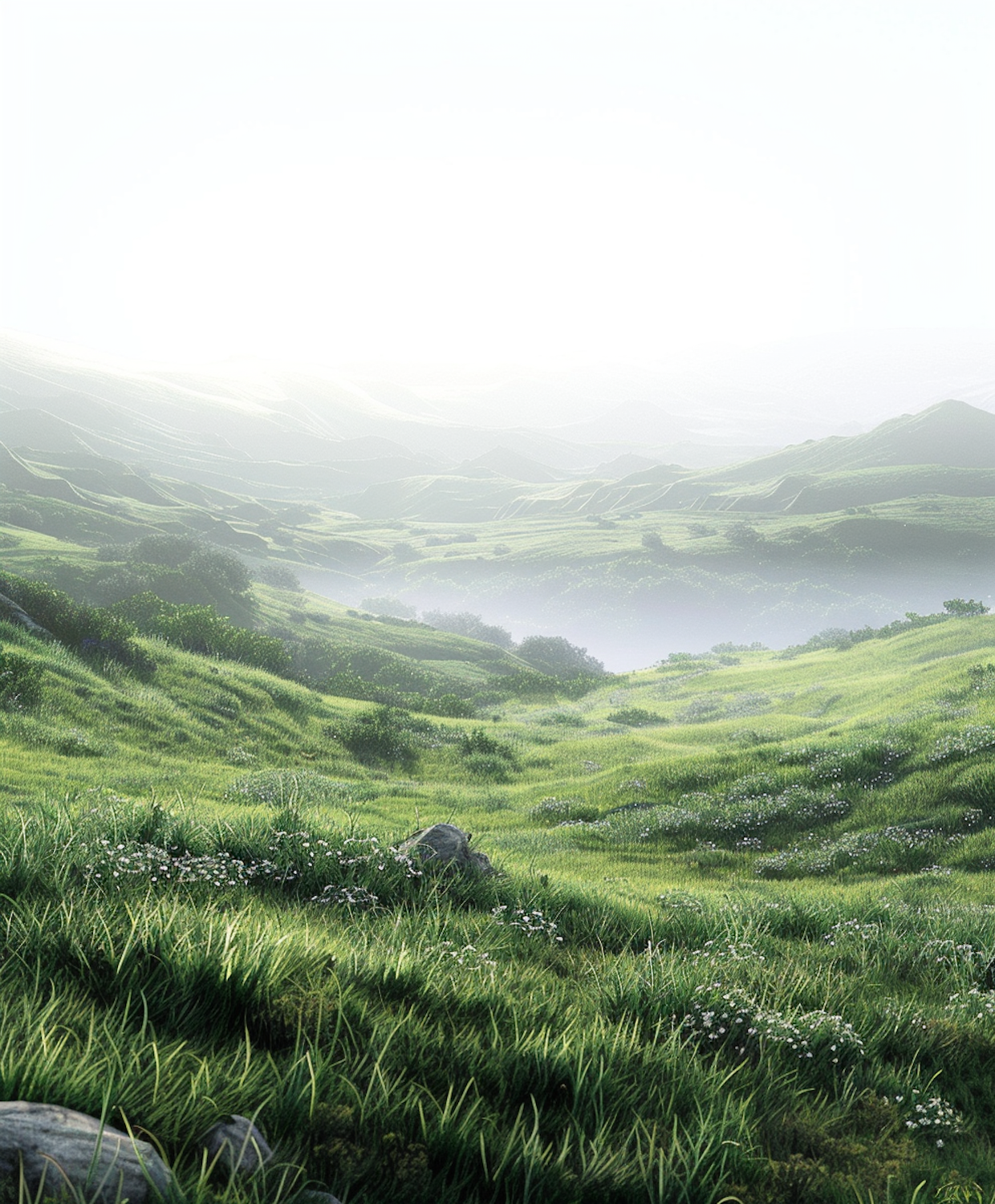
Green chalk hills fading into mist
Where the giant sleeps

What we make

Old stories, new methods.

The beasts are ancient. The tools are not. Every piece in the shop is made one of two ways.

I. 3D printed

Display pieces

Each figure starts life as a digital sculpture, worked up from the old accounts, the woodcuts and the places the beast was seen. It is printed in fine layers and finished so it can sit on a shelf, a mantelpiece or a desk and keep an eye on the room.

II. Laser etched

Deep-engraved brass

Our coins are cut into solid brass by laser, pass after pass, until the design sits well below the surface and catches the light like an old medal. The same light burns our marks into oak and slate.

Why East Anglia comes first

It has no mountains and few dark forests. What it has is water and sky: fen and broad, marsh and drowned coast, flat land running out to a horizon where anything could be walking.

Its churches are full of carved wild men and dragons, its doorways are scratched with marks to keep things out, and its stories are some of the strangest in England. They deserve to be remembered properly, so that is where we started.

How we work

  • Rooted in the record

    Every beast is drawn from the chronicles, parish records and collected folklore, and its legend is told in full in the bestiary.

  • Made to order

    Most pieces are made when you ask for them, and each page tells you how long that usually takes.

  • Read by a person

    Every order request and every message is read by a person, who writes back to you directly.